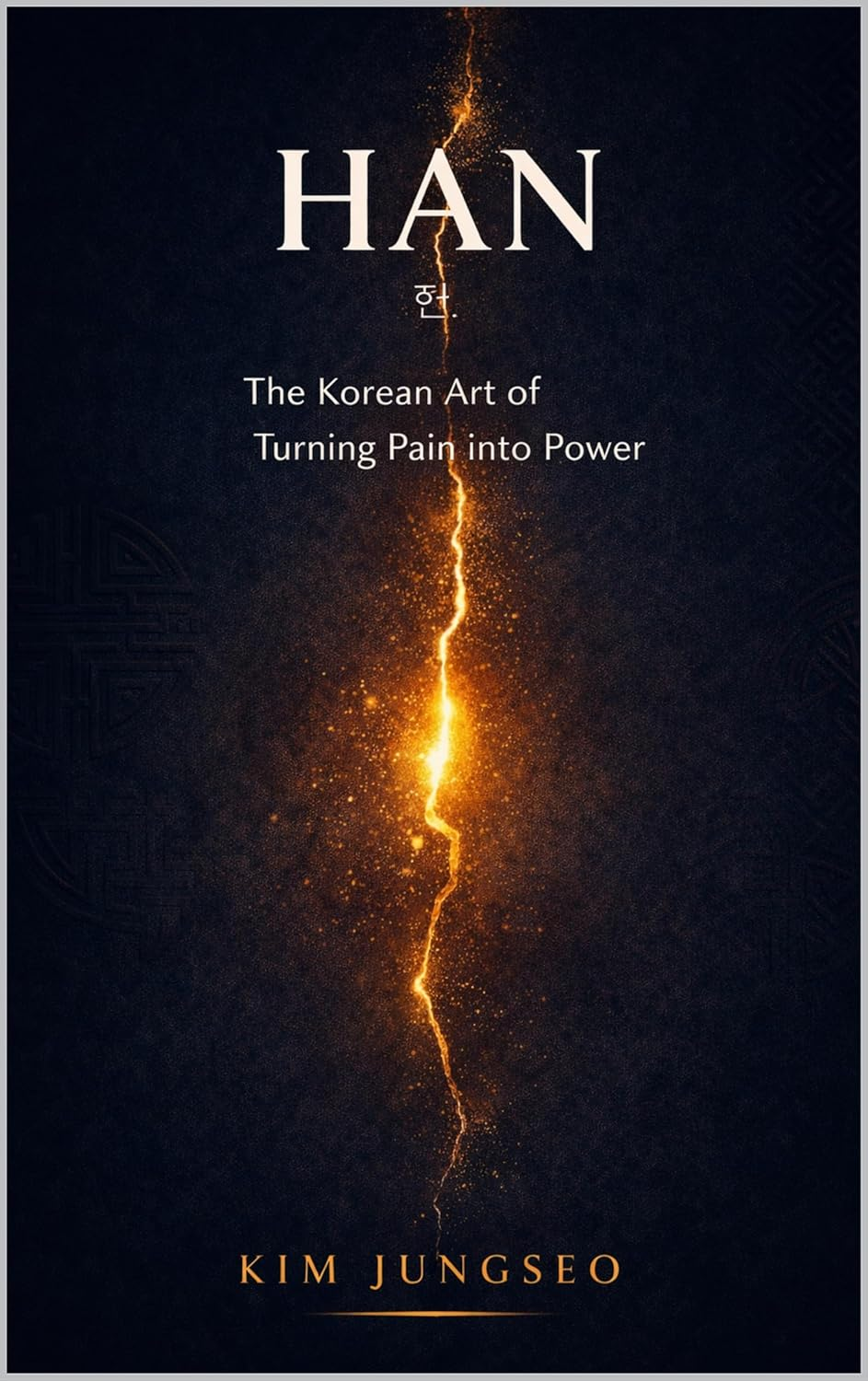
Six Korean concepts that have no real equivalents in English — and that explain more about human connection than most self-help libraries combined.
Korean culture has developed a remarkably sophisticated vocabulary for the interior life of social situations — the unspoken, the felt, the collectively maintained. These are not ancient secrets preserved in temples. They are living concepts, used daily in Korean workplaces, families, and friendships, and they have been refined over centuries of Confucian social structure, historical hardship, and one of the most dramatic economic transformations in modern history.
The Korean Wisdom Series does not offer these concepts as exotic imports or life-hacking shortcuts. It treats them as what they are: serious ideas about human experience that happen to have been developed in a particular cultural context, and that deserve to be understood on their own terms before being applied anywhere else.
Each of the six books in the series is a sustained exploration of one concept — its etymology, its philosophical roots, its modern usage, and what it might offer to readers who encounter it for the first time.
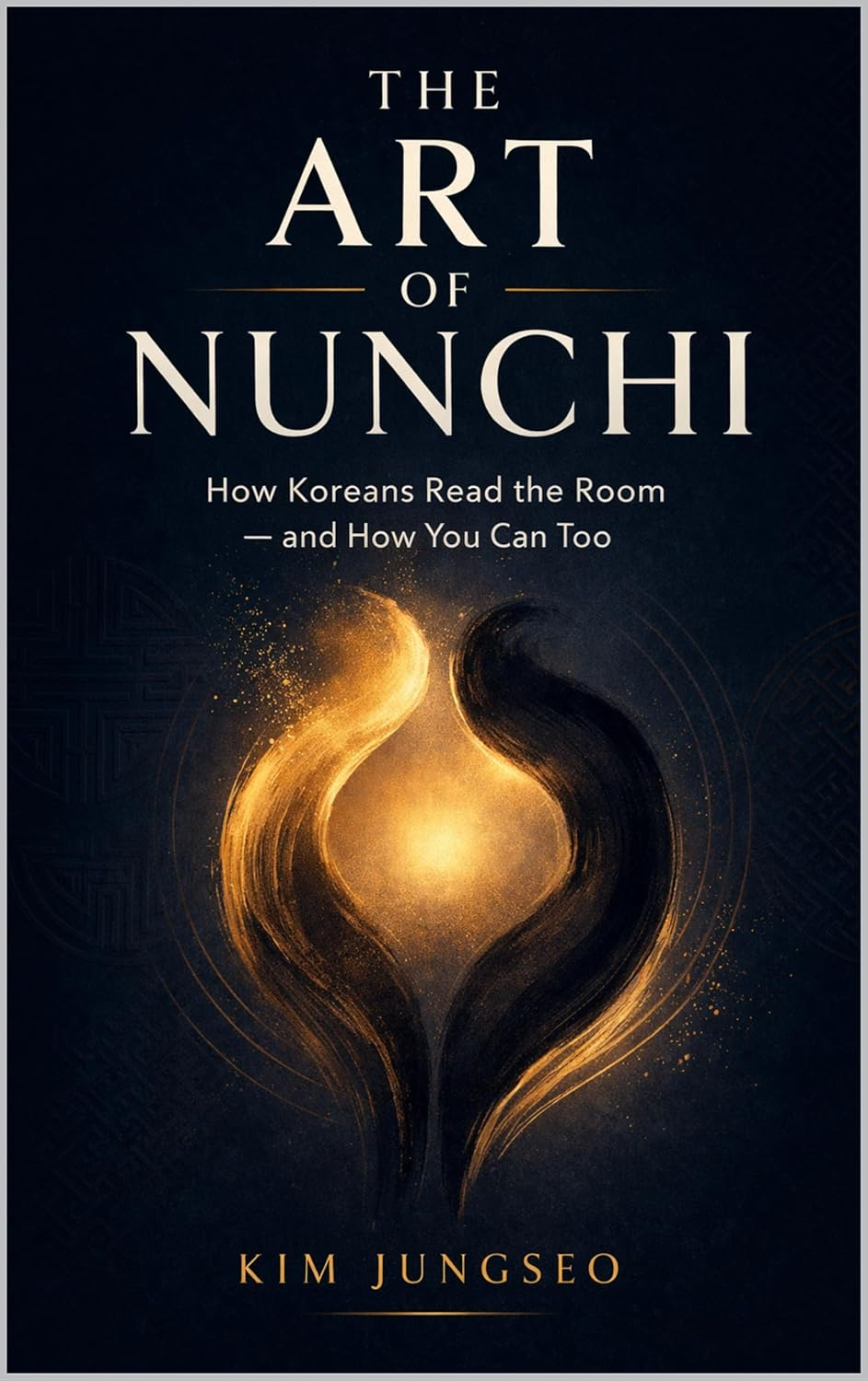
All six books are available on Amazon in Kindle and paperback. Each can be read independently; together they form a complete portrait of Korean social and emotional life.
If you are new to Korean cultural concepts, The Art of Nunchi is the natural entry point. Nunchi — the art of reading the room — is the foundational Korean social skill, and understanding it opens up the rest of the series. It is also the most accessible for readers without prior knowledge of Korean culture.
Read The Art of NunchiKim Jungseo (김정서) is the author of The Korean Wisdom Series, a six-book collection exploring untranslatable Korean concepts. The series is written for English-language readers who want depth and nuance rather than a simplified introduction to Korean culture.
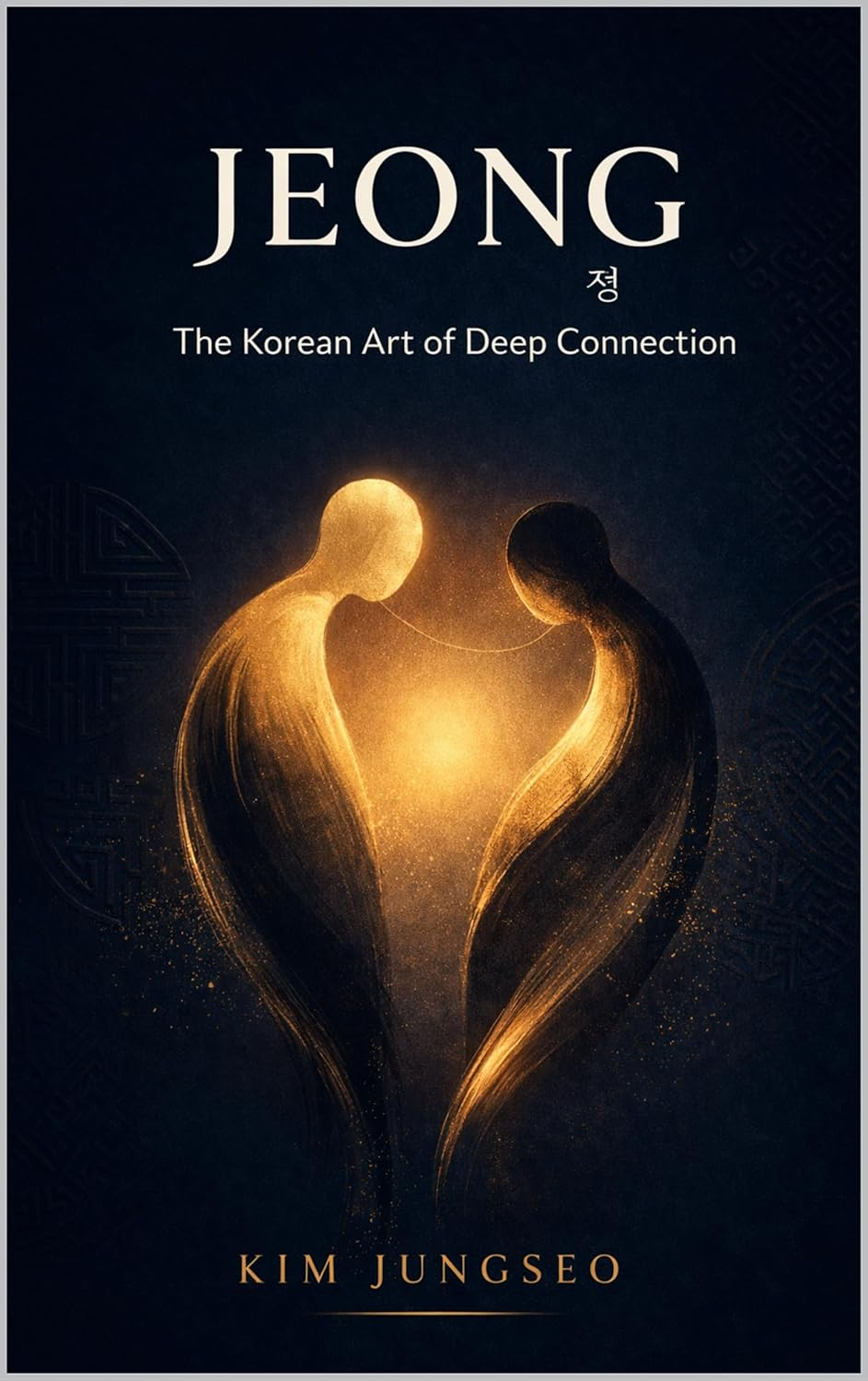
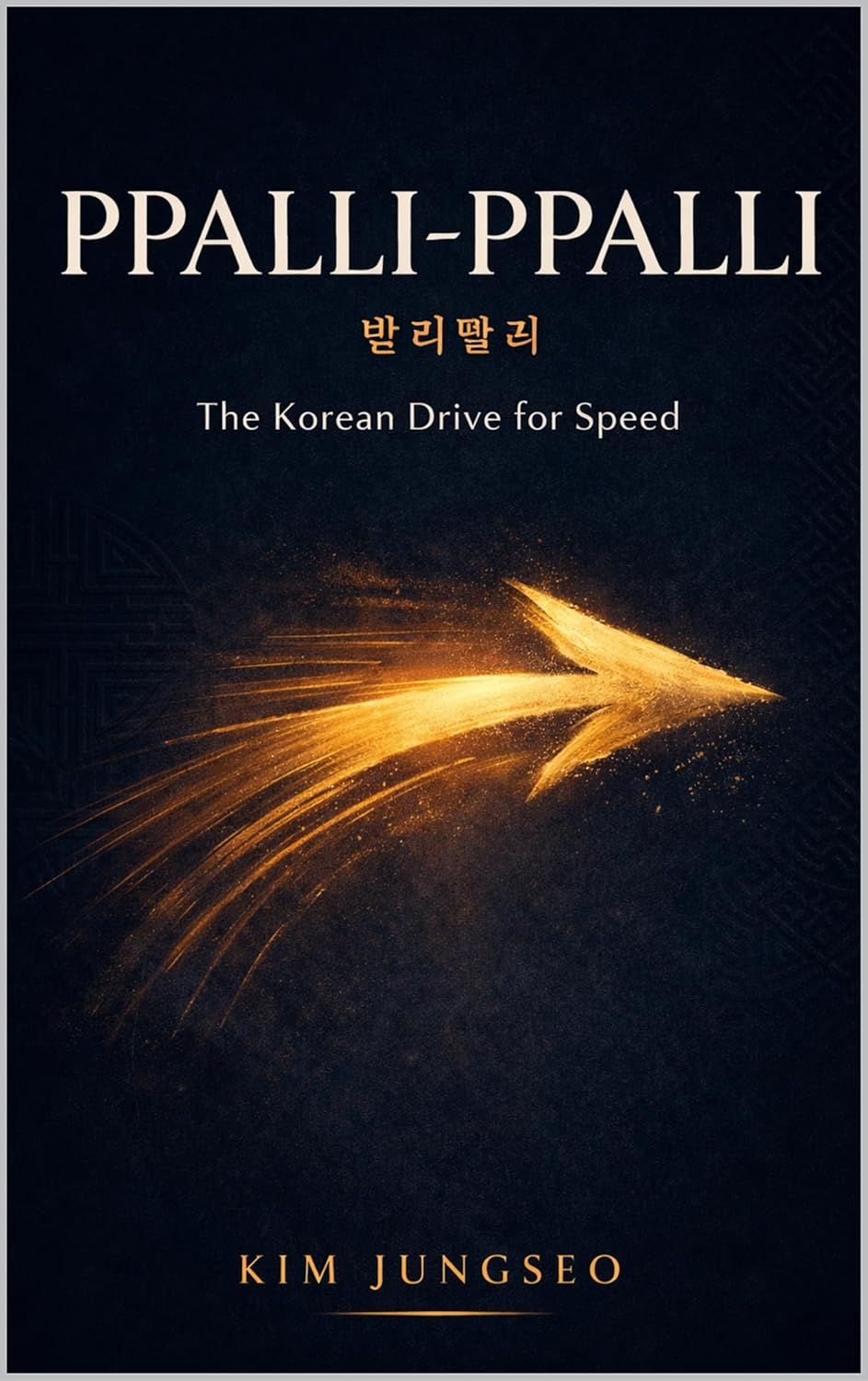
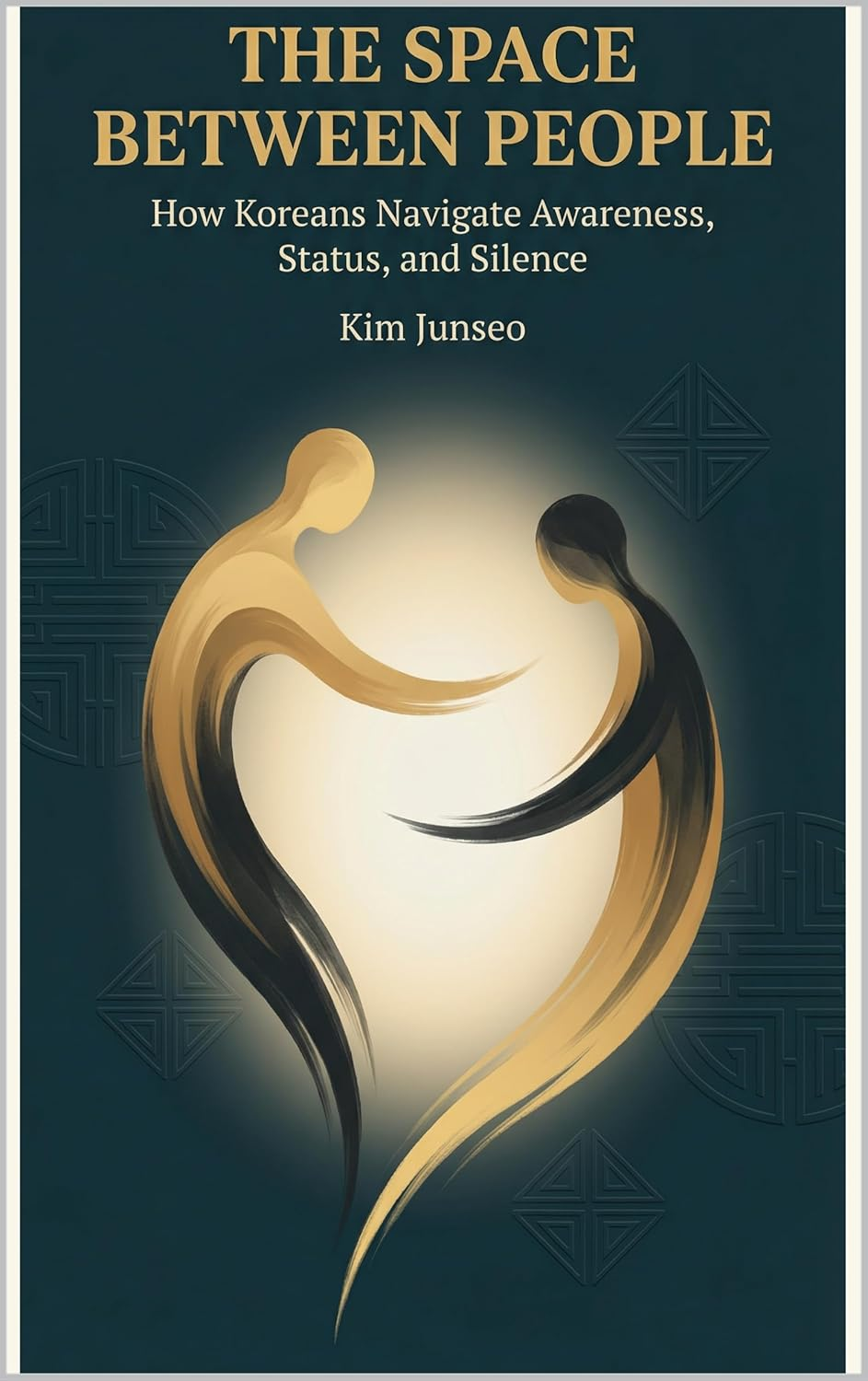
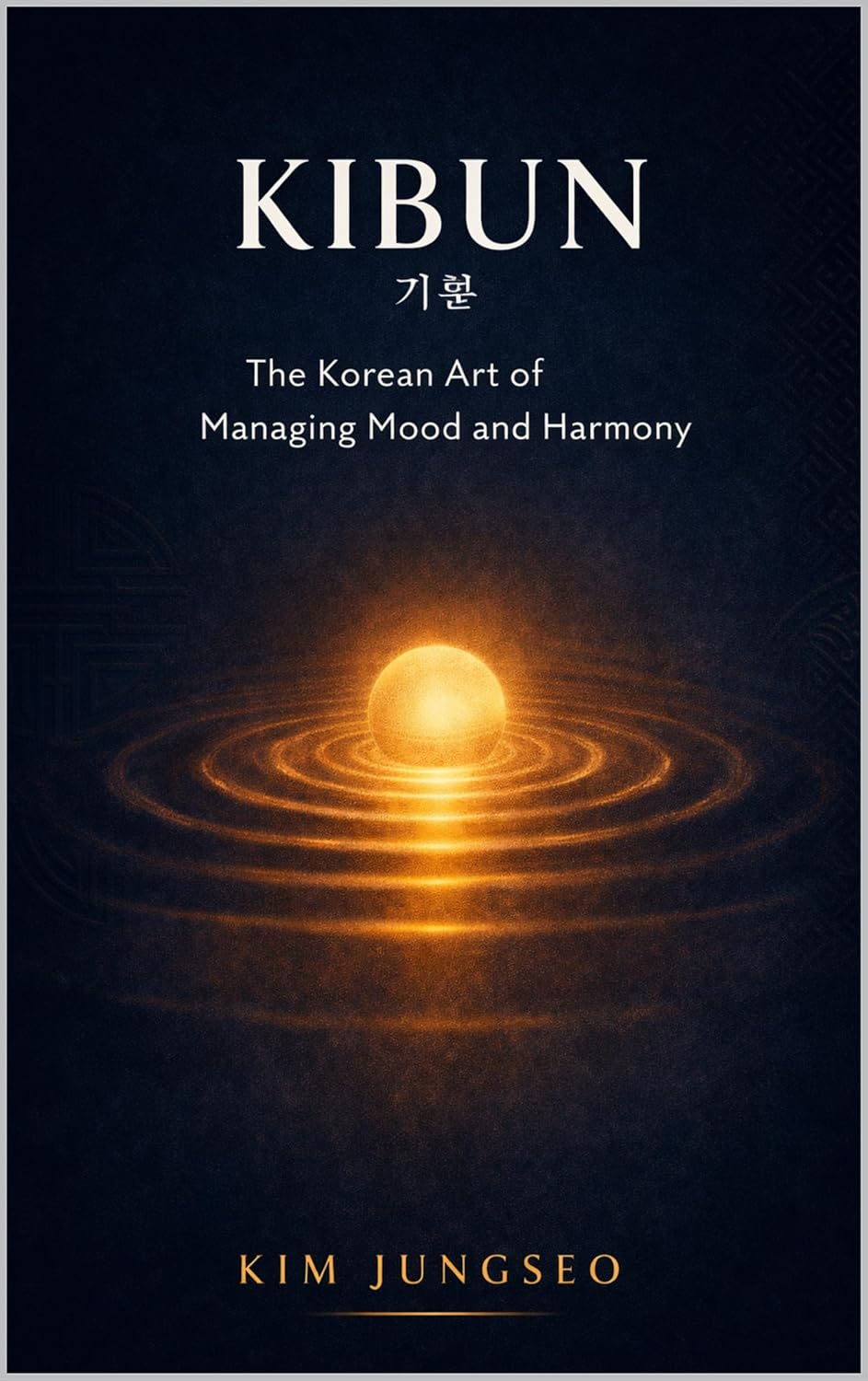
The Korean Wisdom Series is a six-book collection, each dedicated to one untranslatable Korean concept: Nunchi, Jeong, Ppalli-Ppalli, the Space Between People, Kibun, and Han. The series argues that these six concepts together form a coherent picture of Korean social and emotional life that has no equivalent in English-language thought.
Kim Jungseo recommends beginning with The Art of Nunchi, as it introduces the foundational Korean skill of social awareness that underpins many of the other concepts. From there, Jeong and Kibun are natural follow-ups, as they deal with the emotional dimensions of Korean relationships. Han and Ppalli-Ppalli work well as a pair — one exploring the weight of history, the other the drive to overcome it.
The Korean Wisdom Series is written in English, for an English-language audience seeking to understand Korean cultural concepts with depth and nuance. The books are available on Amazon in both Kindle and paperback formats.
Each of the six concepts describes a social, emotional, or philosophical reality that English has no single word for. Nunchi is not simply emotional intelligence. Jeong is not friendship or love. Han is not sadness or resentment. The untranslatability reflects genuine differences in how Korean culture structures relationships, obligations, and the experience of time and history.
All six books in The Korean Wisdom Series are available on Amazon in Kindle and paperback formats. Links to each book are provided throughout this website.
Join the newsletter and receive a free 7-day email guide — one Korean concept per day, with a practical exercise you can apply immediately. Nunchi, Jeong, Kibun, Han, and more.
Kim Jungseo writes about Korean cultural philosophy for English-language readers who want more than a surface introduction. The Korean Wisdom Series grew from a conviction that six specific Korean concepts — Nunchi, Jeong, Ppalli-Ppalli, Kibun, Han, and the social architecture of the Space Between People — deserve sustained, careful treatment in English, not because they are exotic, but because they are genuinely illuminating.
The series is grounded in Korean intellectual history, contemporary Korean social life, and a close attention to what gets lost when these concepts are translated too quickly into Western equivalents.
Full Author Bio →